And the universe said you are the universe
On childhood, black holes and meeting your heroes.
On childhood, black holes and meeting your heroes.
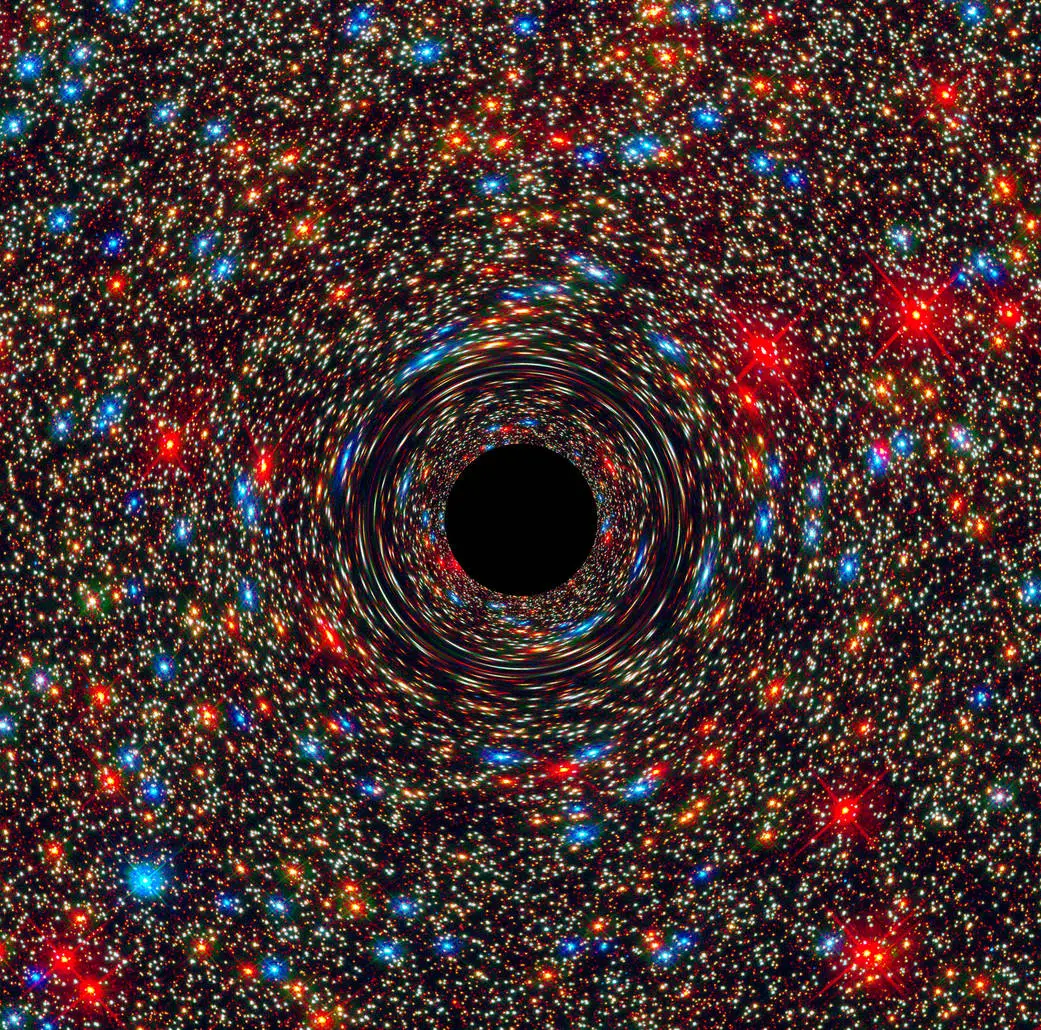
The idea that universes evolve like organisms sat on the fringes of theoretical physics for decades. New observations and a revived theory have given it fresh attention.
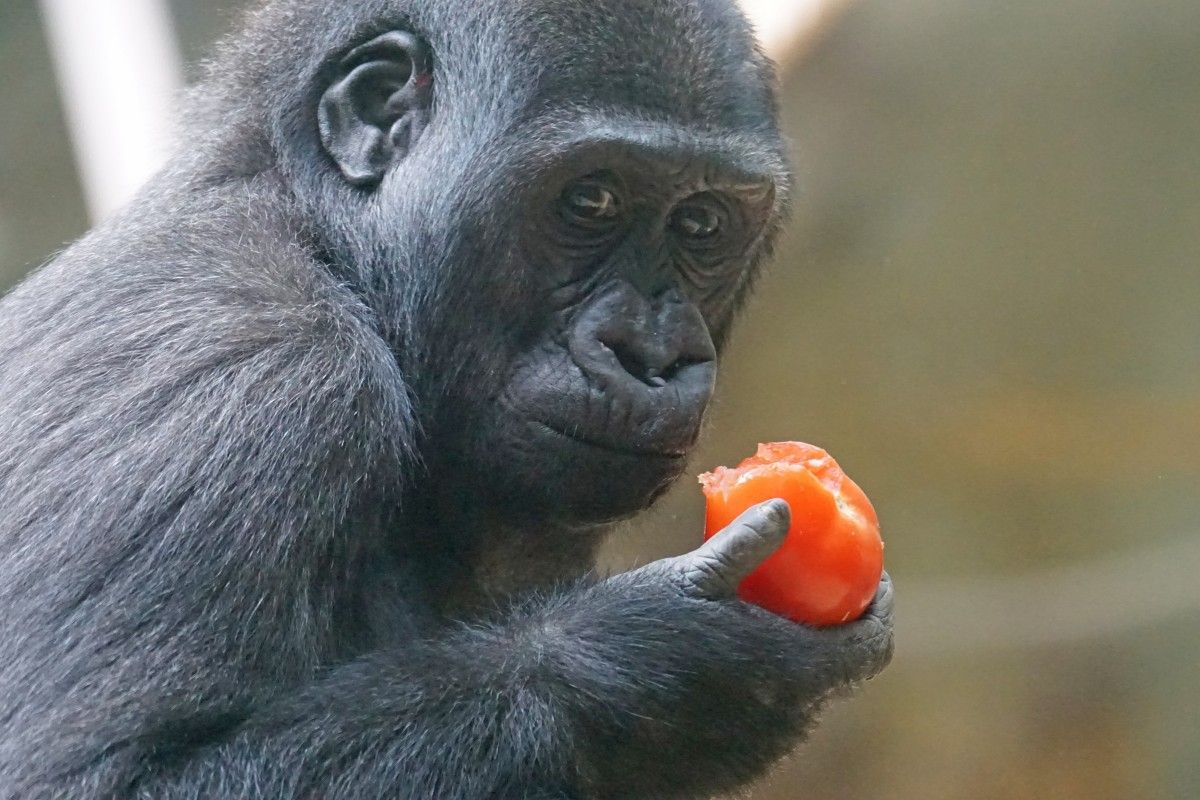
Natural sugars may have supplied energy to growing hominin brains before cooking made starchy foods easier to digest.
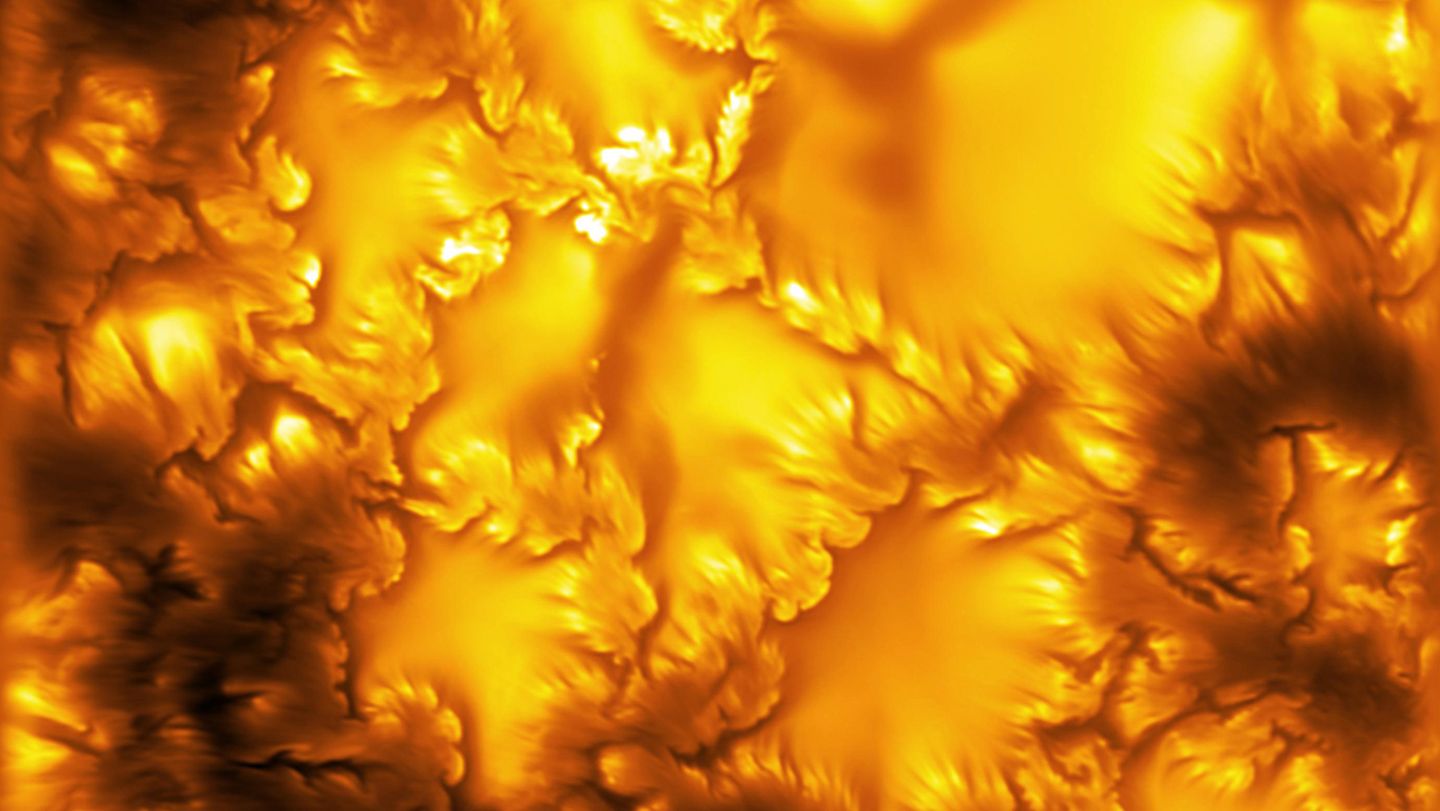
Solar vortices observed directly in the photosphere may braid magnetic fields and help explain powerful flares and the sun’s superheated atmosphere.
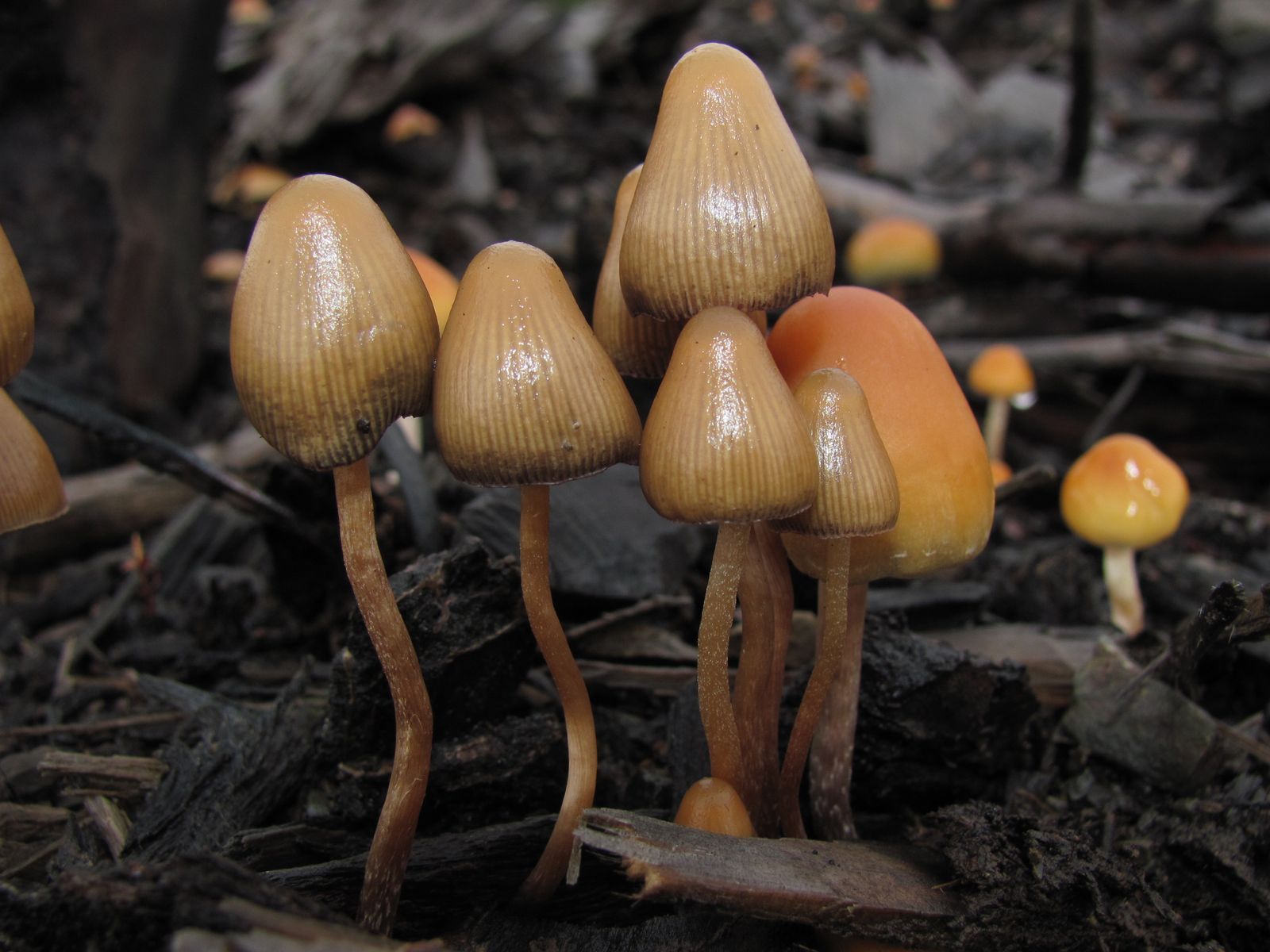
Paired with intensive psychological support, psilocybin may loosen rigid patterns of thought associated with anorexia, though researchers caution that it is not a magic cure.

Two boys’ progress after personalized treatment highlights both the promise and the practical challenges of tailor-made drugs.
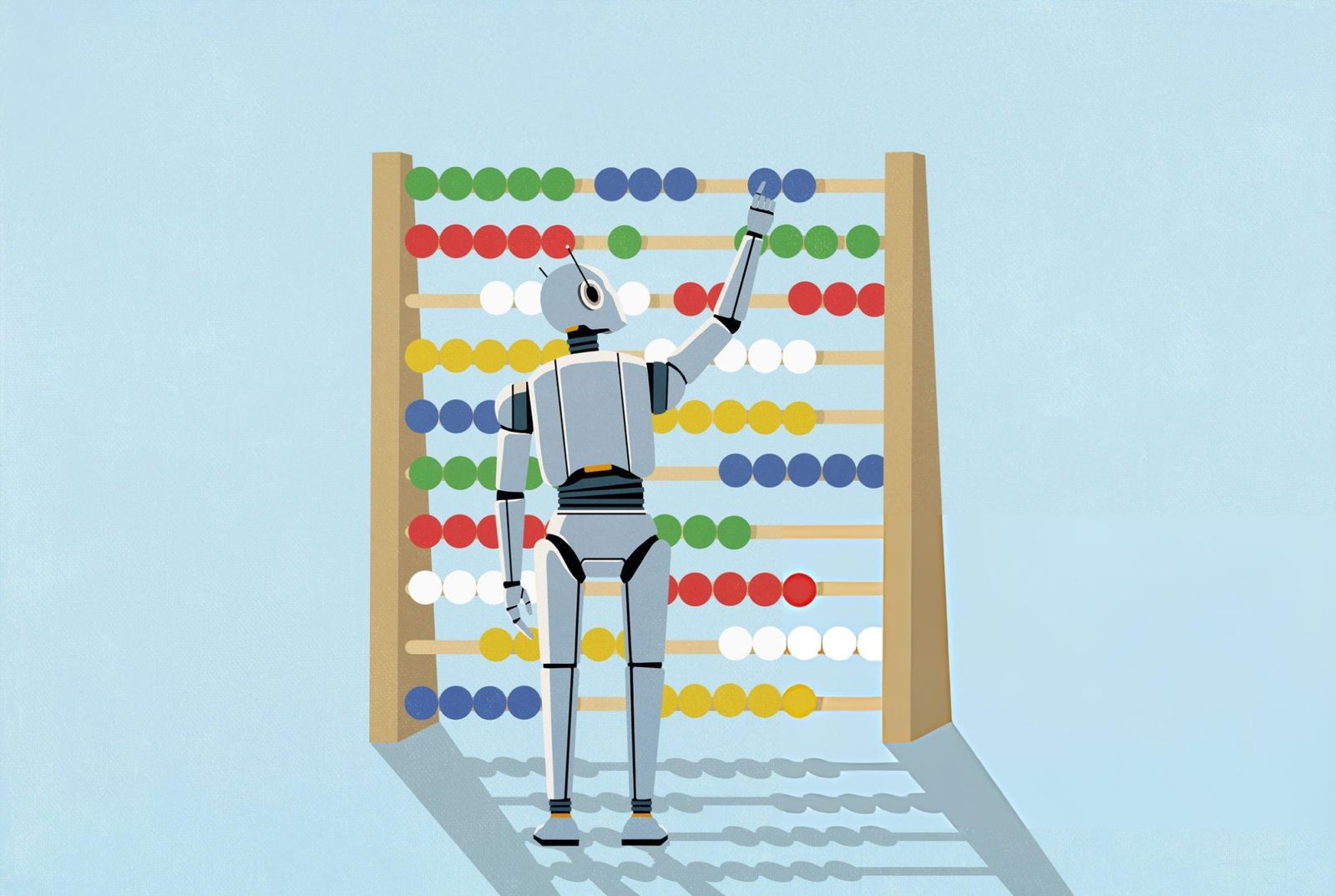
An AI-assisted counterexample related to the Jacobian conjecture marks a notable step in the technology’s role in mathematical research.
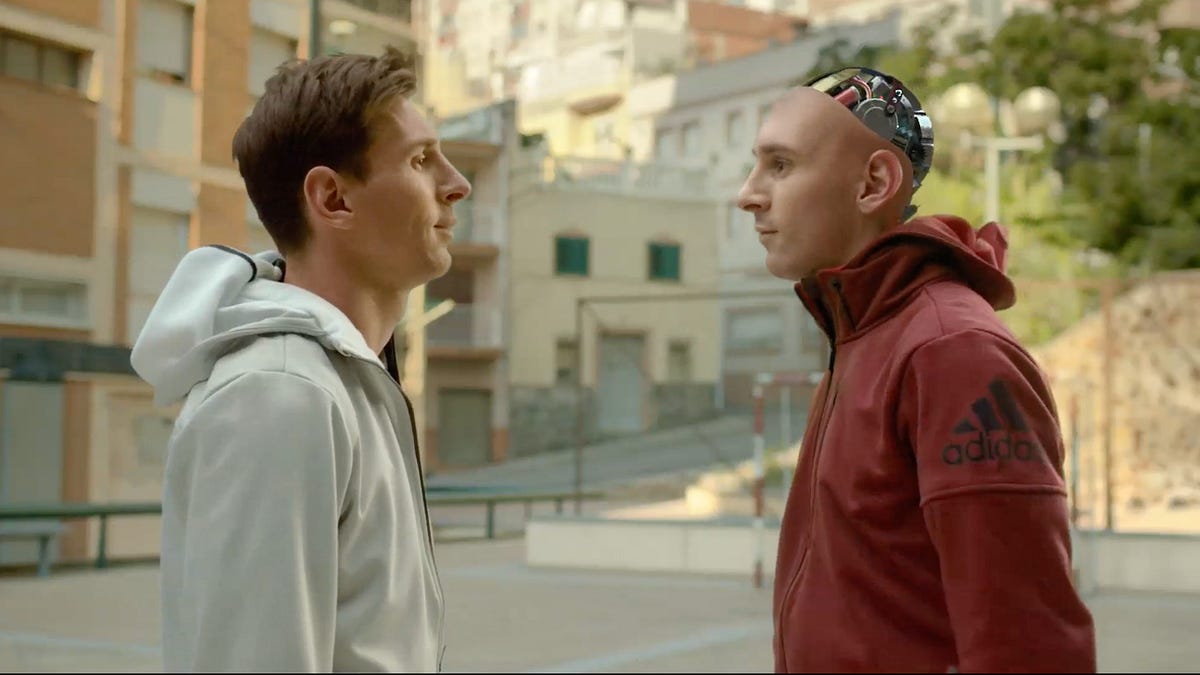
And why that's bad, in case you still need convincing.
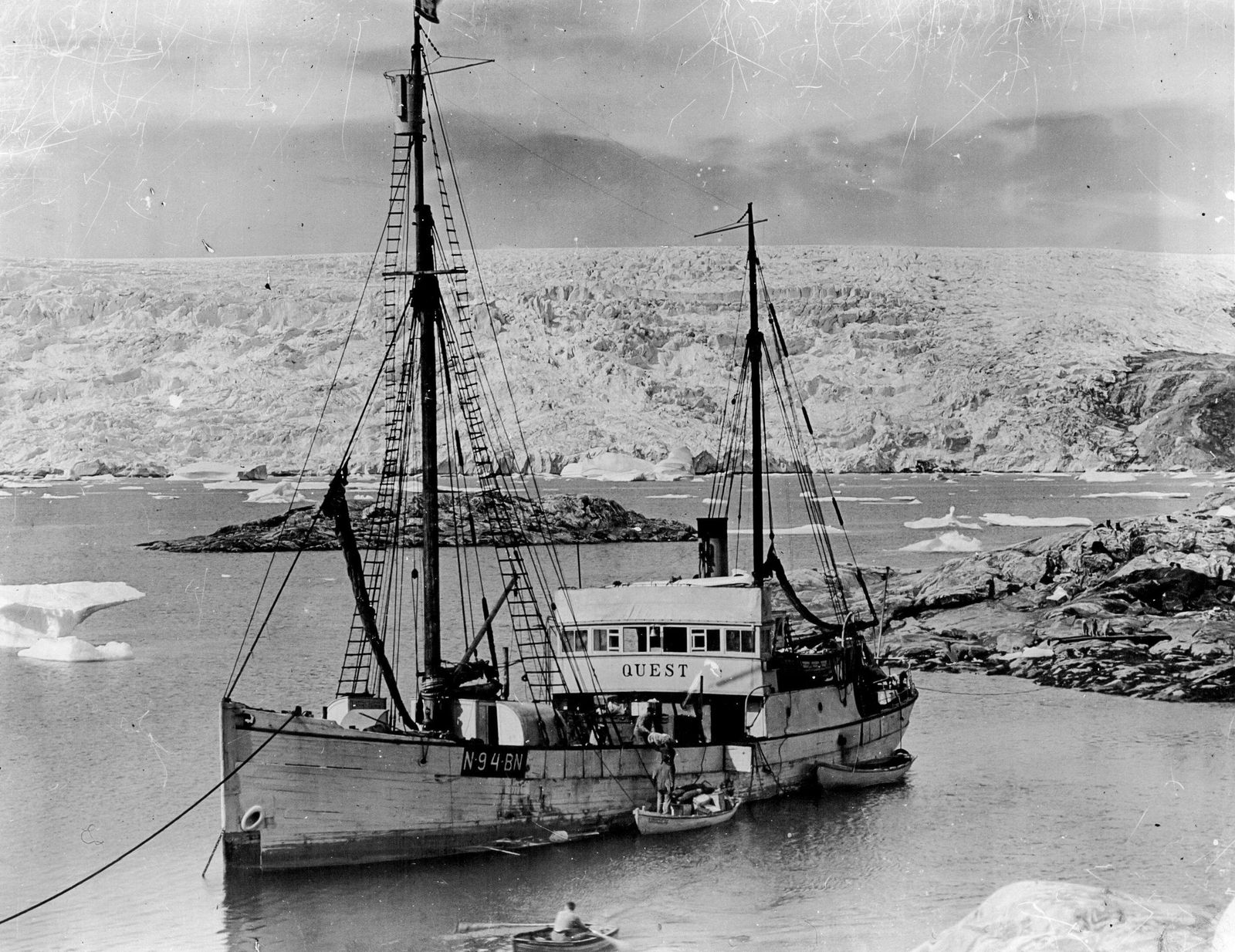
Close-up imagery shows Shackleton’s last ship serving as marine habitat while bearing traces of commercial fishing.
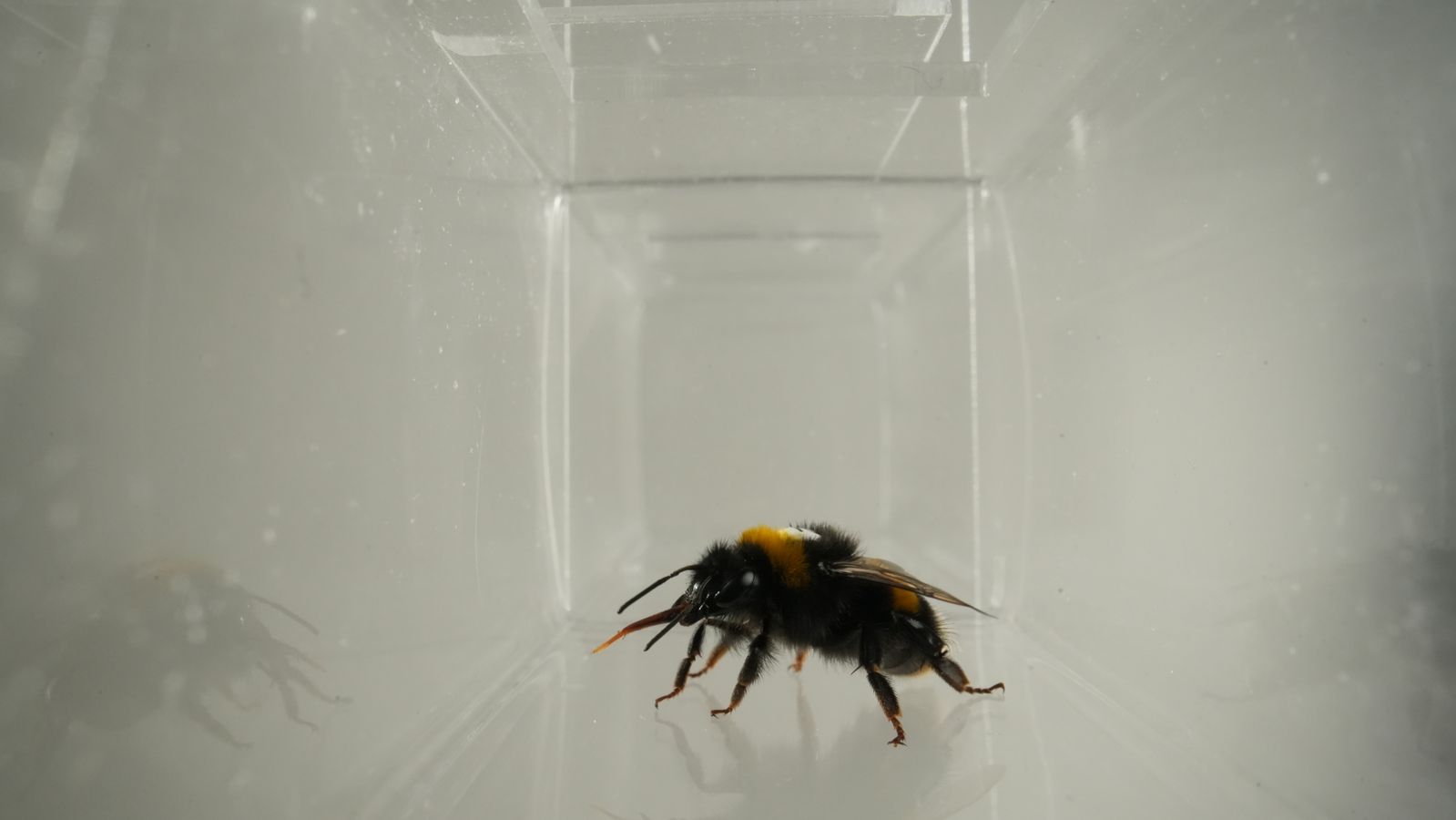
Taste-linked bumblebee behaviors may help researchers study emotion-like states and subjective experience in insects.
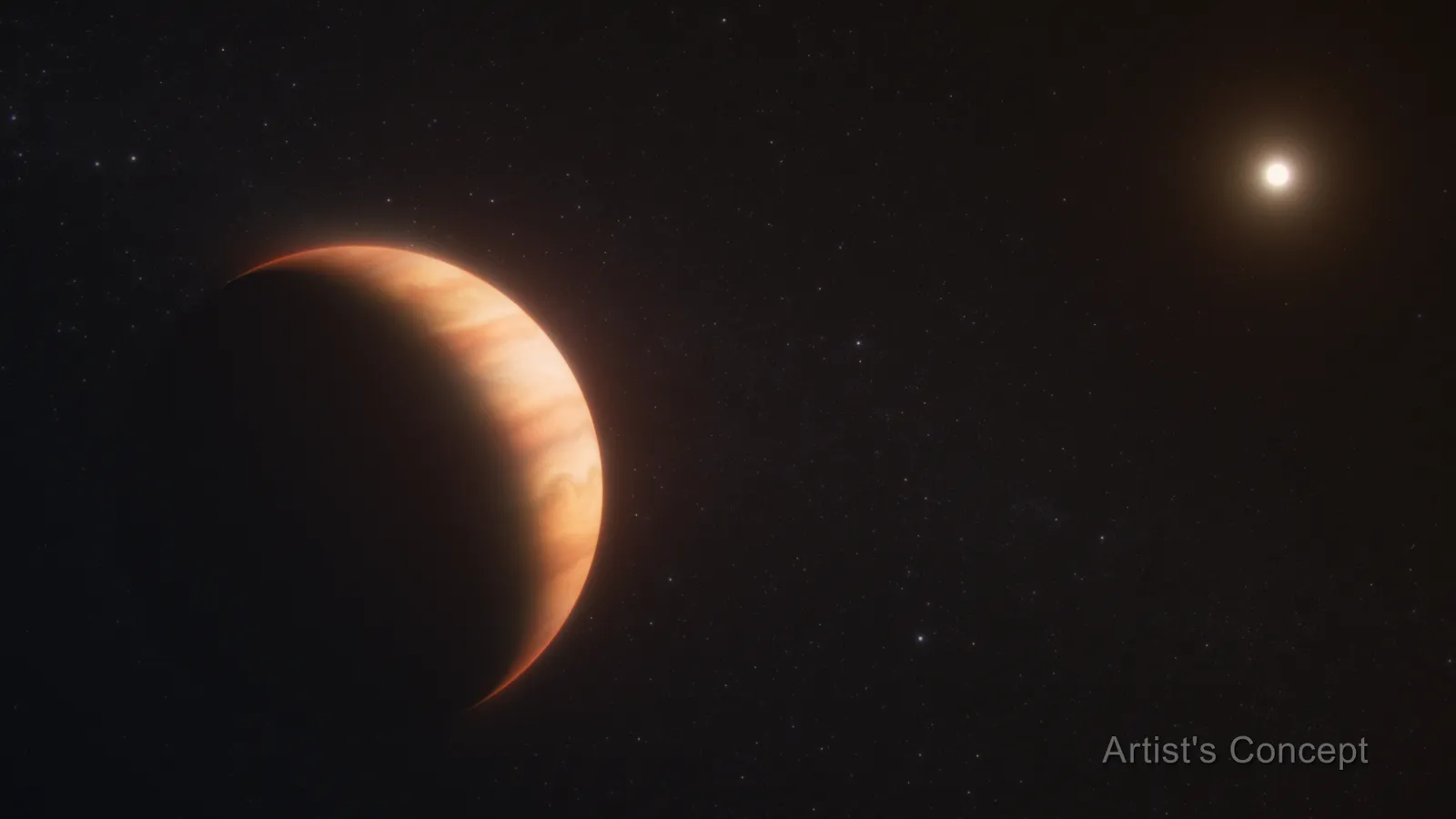
Webb observations of gas giant WD 1856 b may reveal how planets can survive the death of their stars.
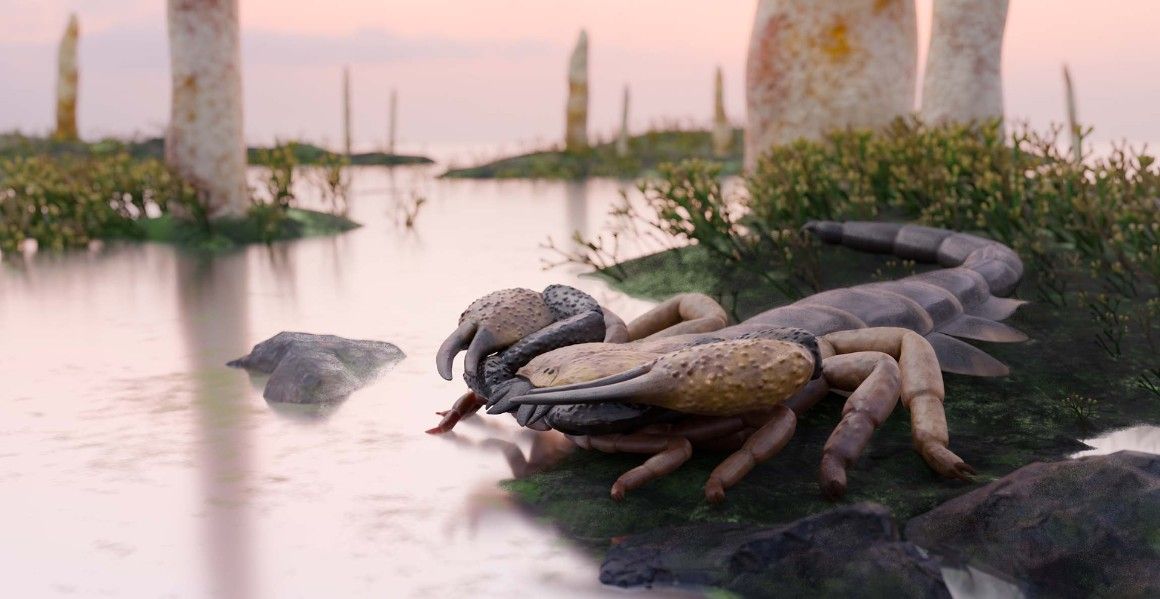
New evidence identifies Praearcturus gigas as a scorpion more than three feet long rather than a giant isopod.
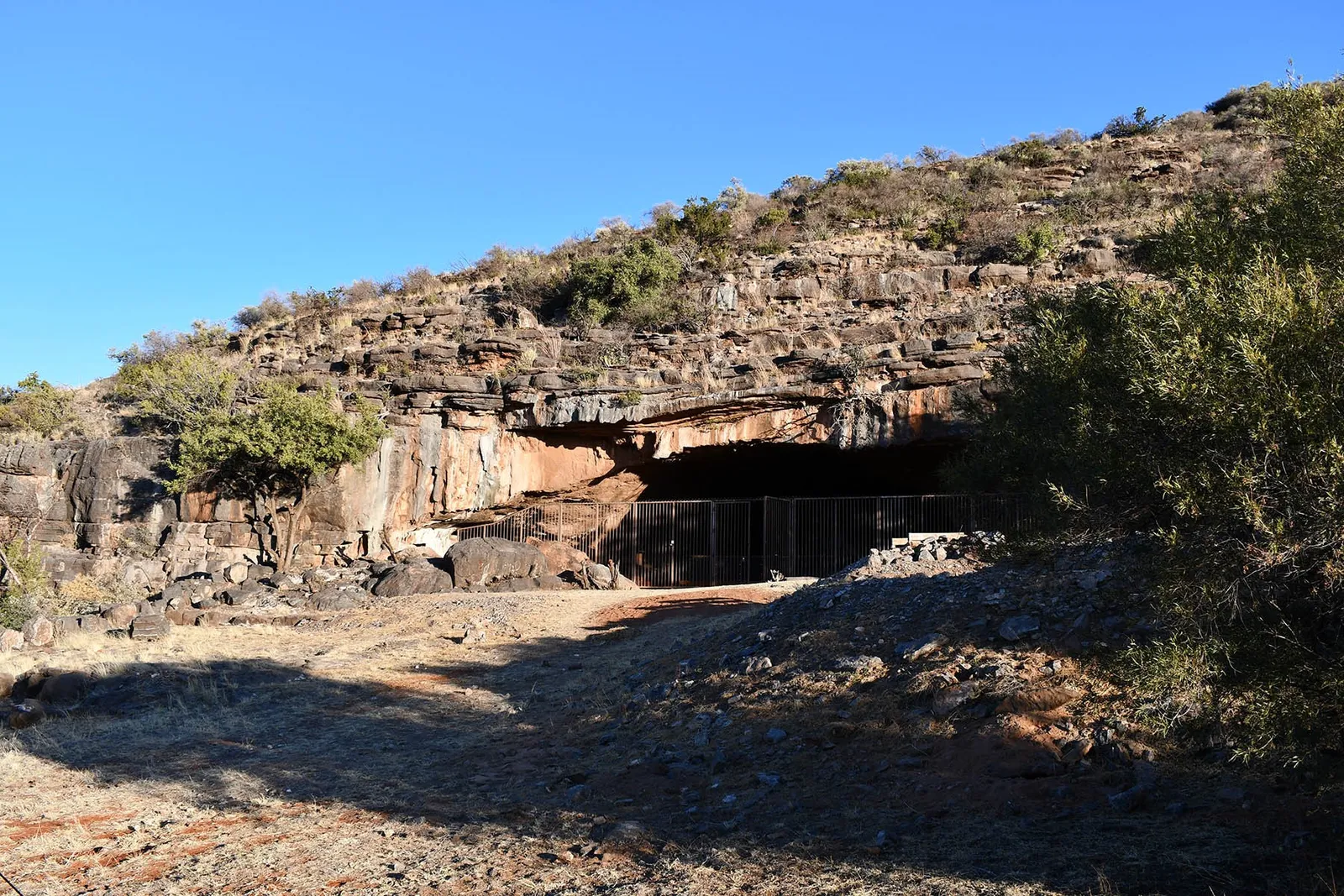
Burned bones from South Africa’s Wonderwerk Cave may indicate that early Homo erectus transported and maintained natural fire.
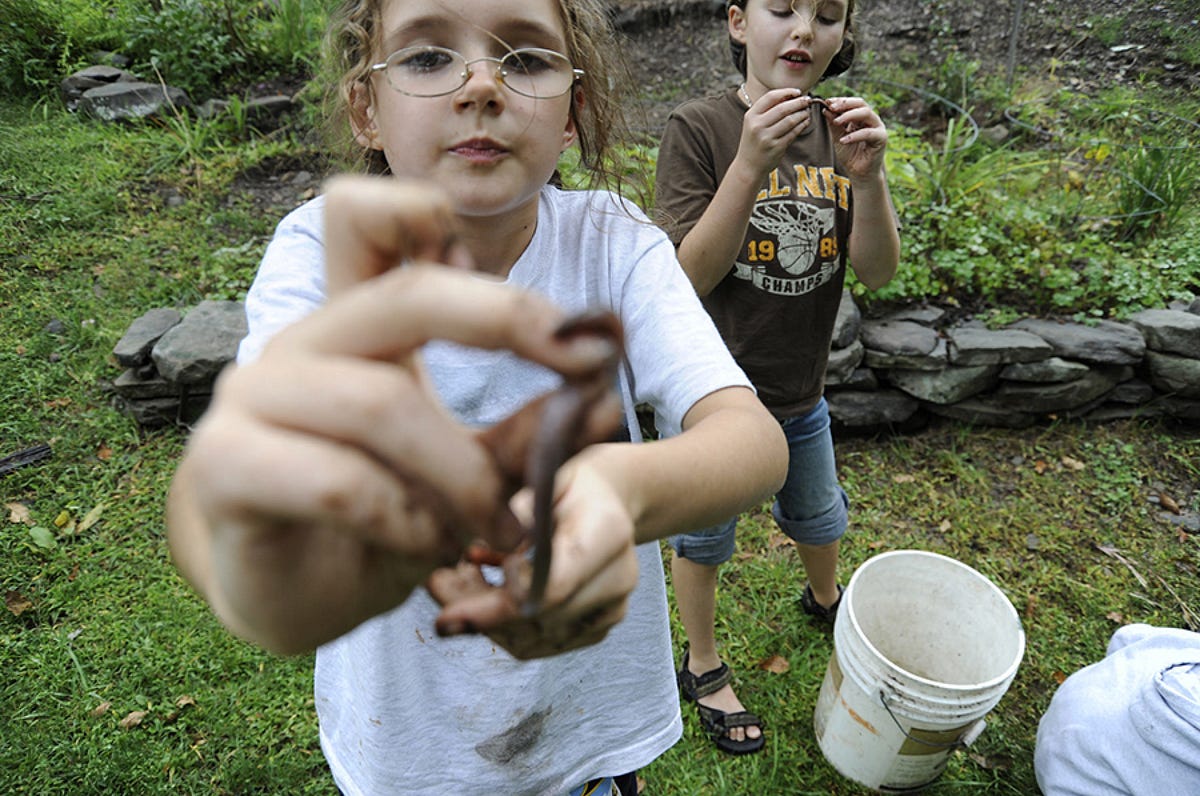
Mainly, give the kids money for butterflies.
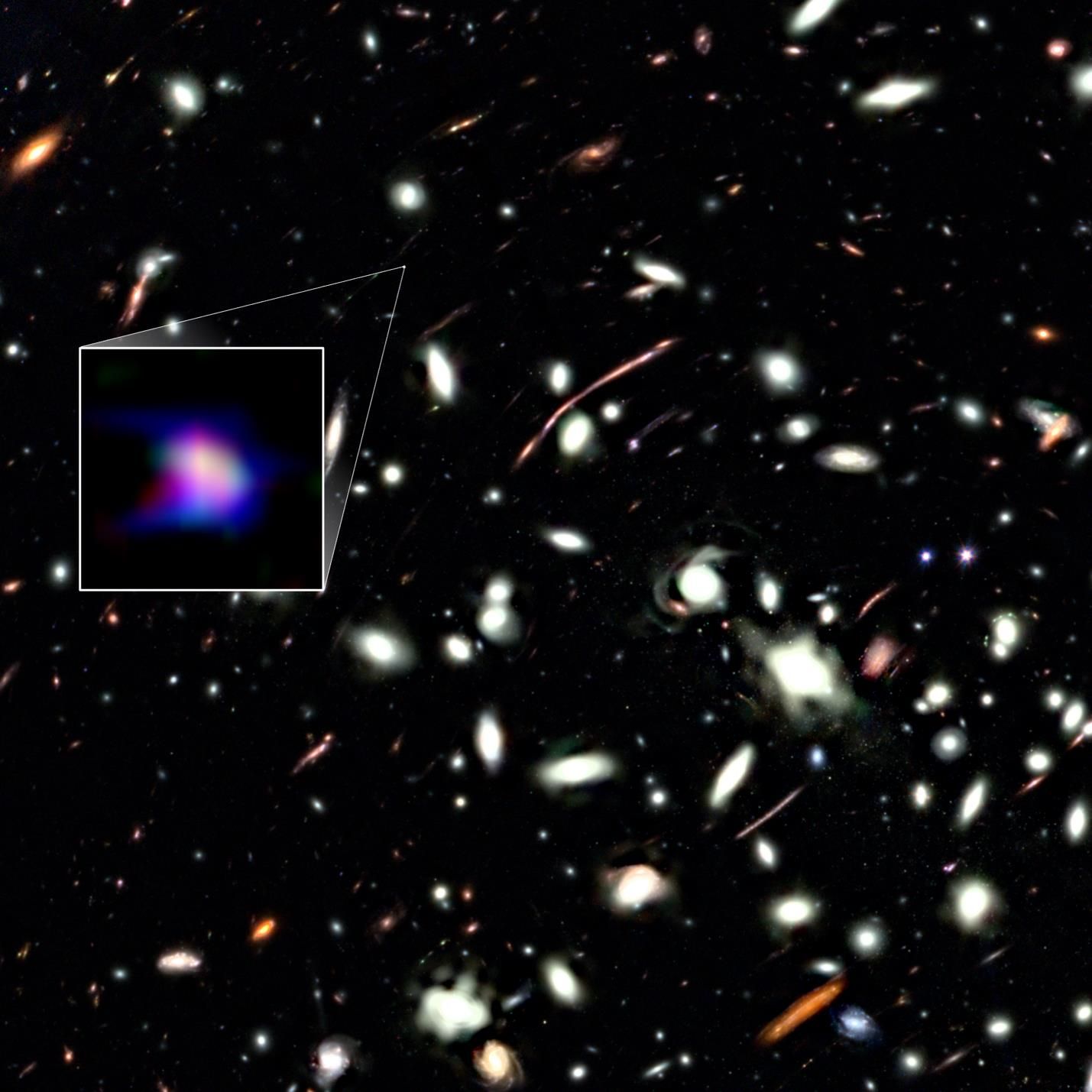
Webb observations reveal an unusually chemically primitive early galaxy magnified by gravitational lensing.
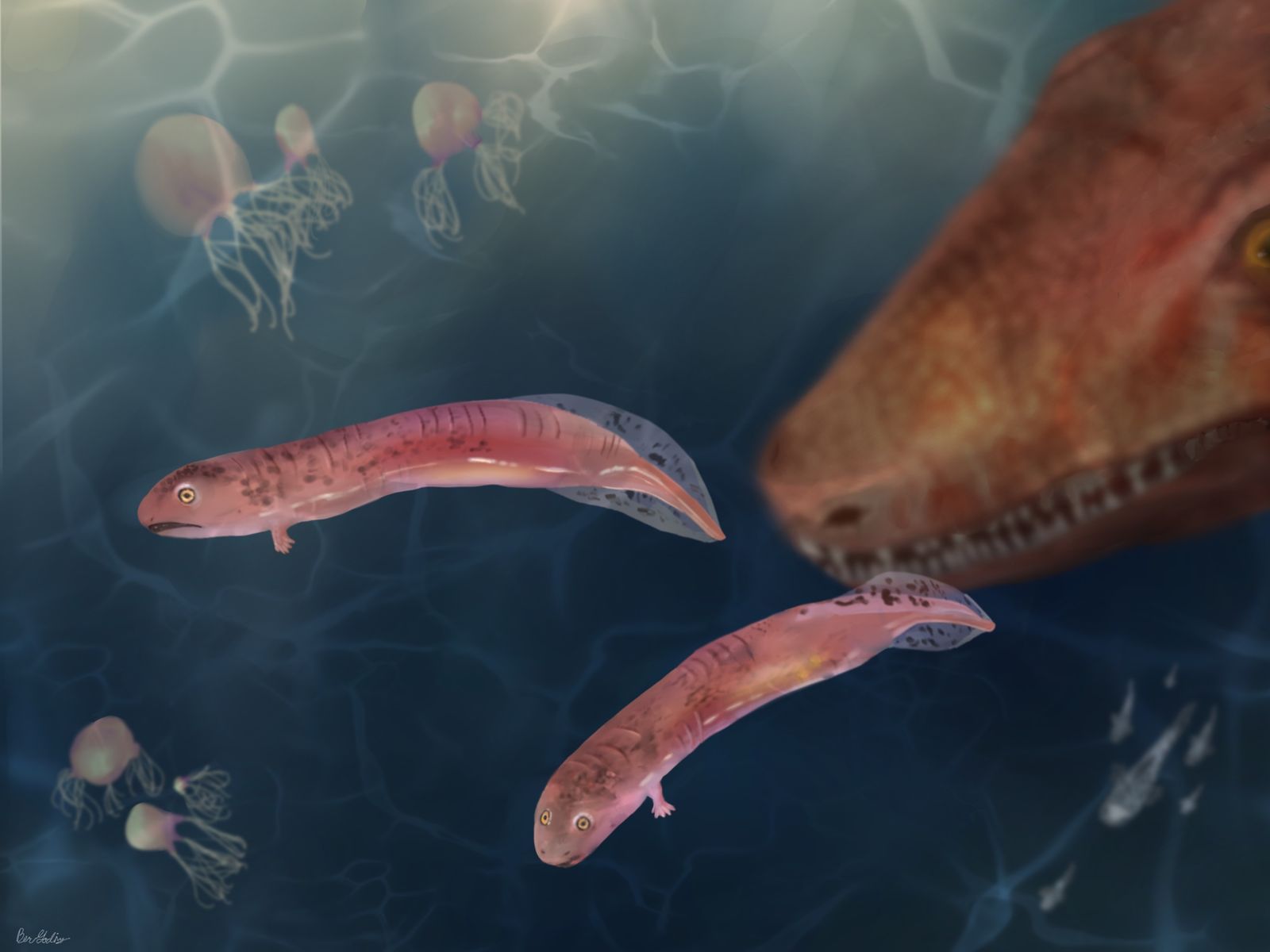
A misidentified fossil hatchling challenges metamorphosis-based accounts of how vertebrates moved onto land.

A study finds associations between remote work, loneliness, and mental health while stopping short of justifying blanket office mandates.
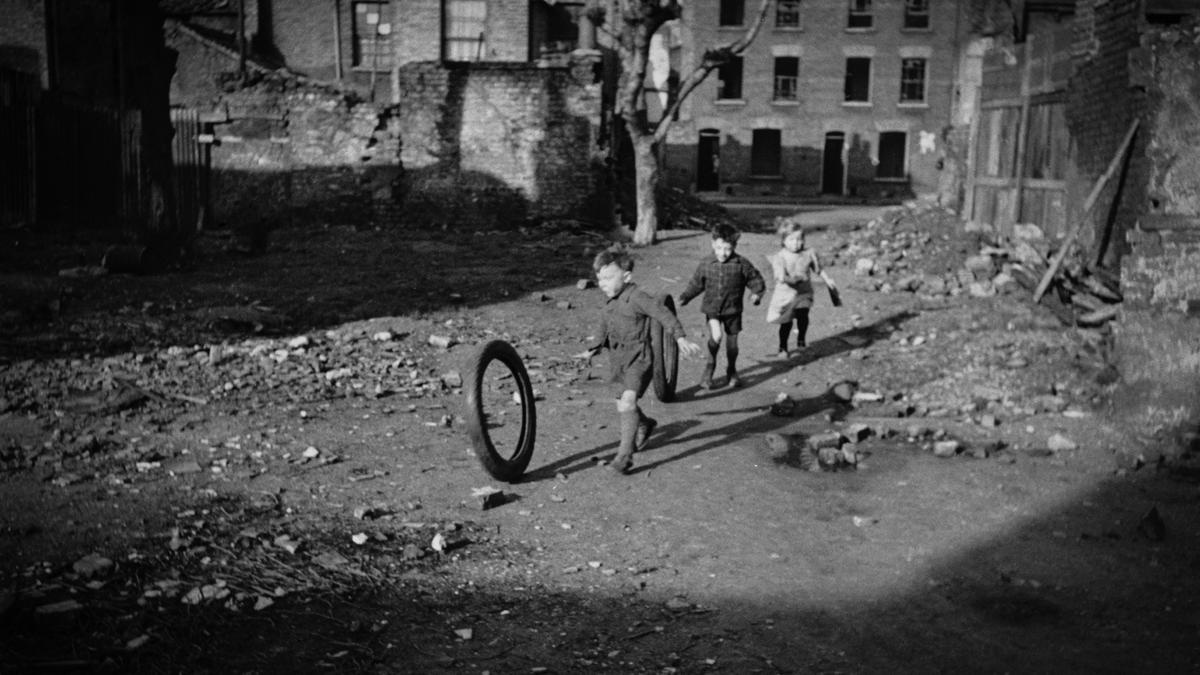
Children have lost the freedom to explore and play independently. They now seek out autonomy in digital landscapes.
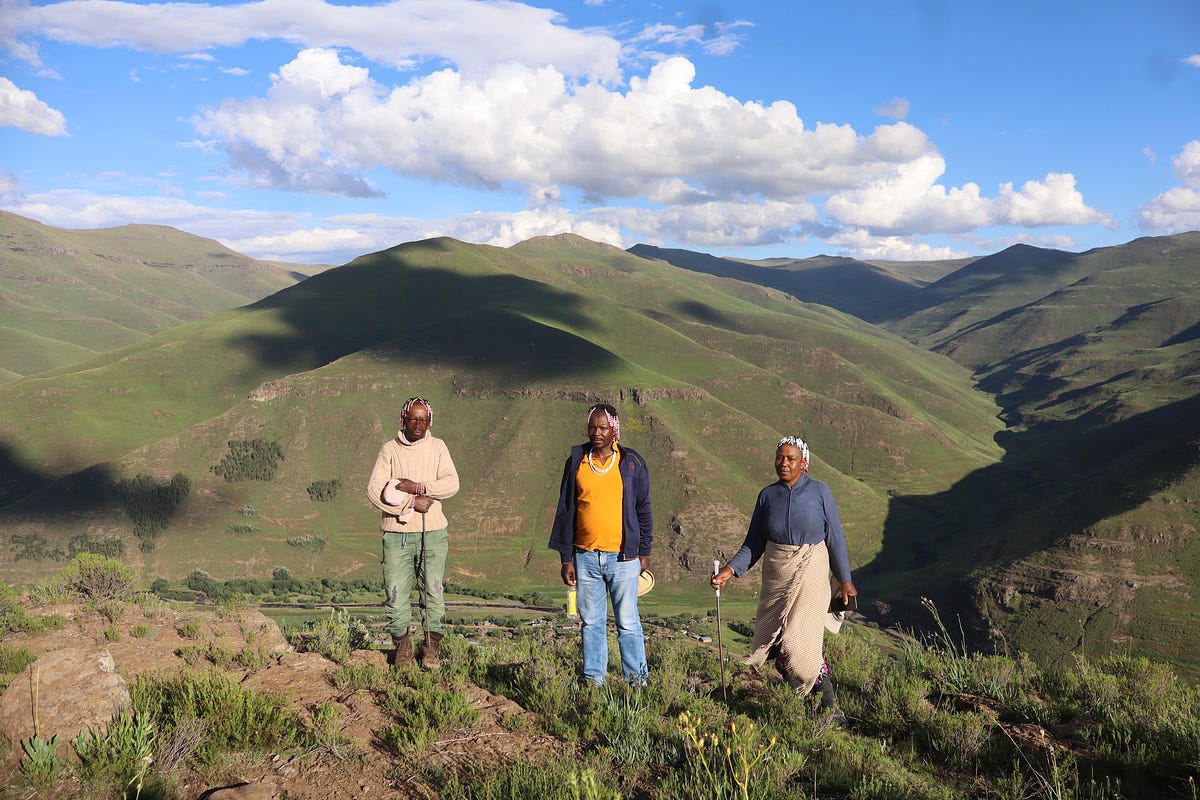
The first strong evidence of classical psychedelic use outside the Americas.

It is fruitless to argue against something that your interlocutor does not believe.
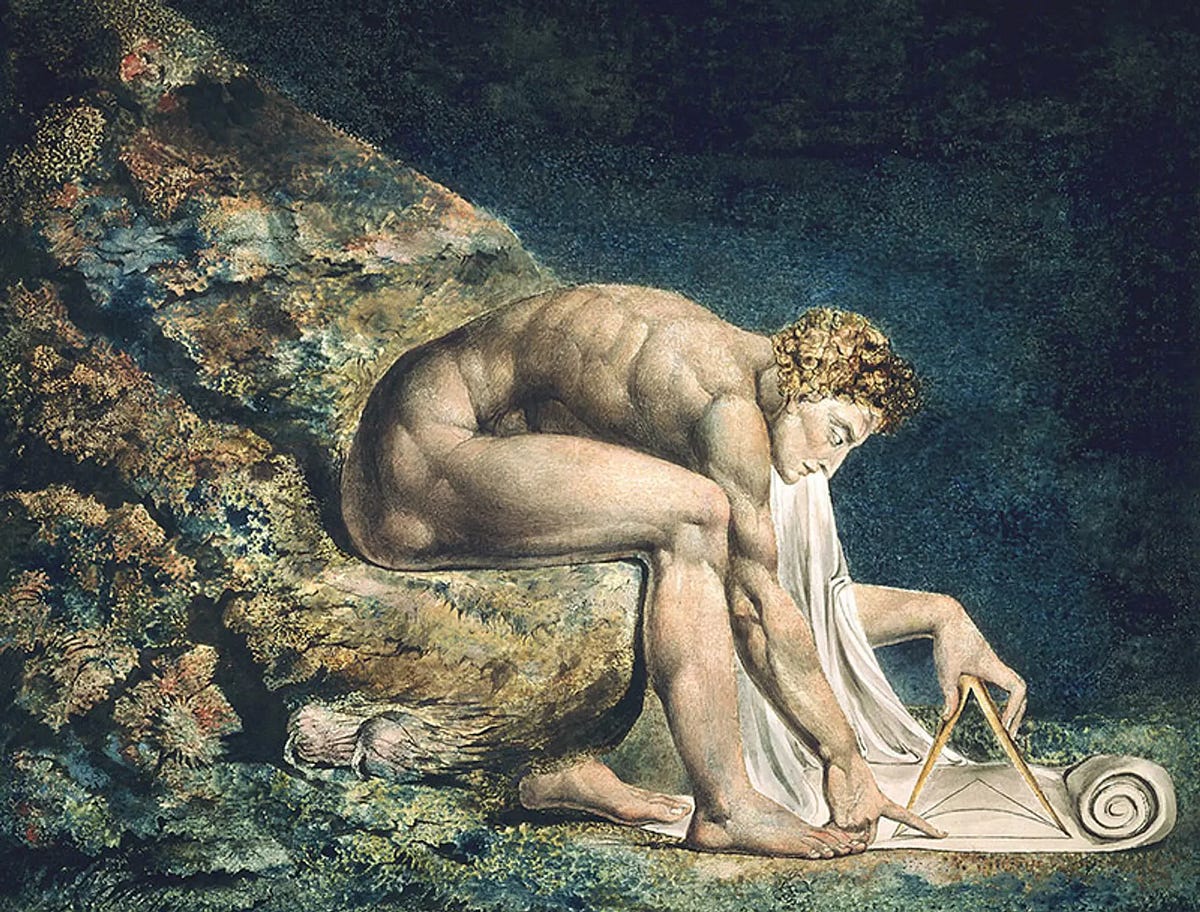
It was always about the questions.
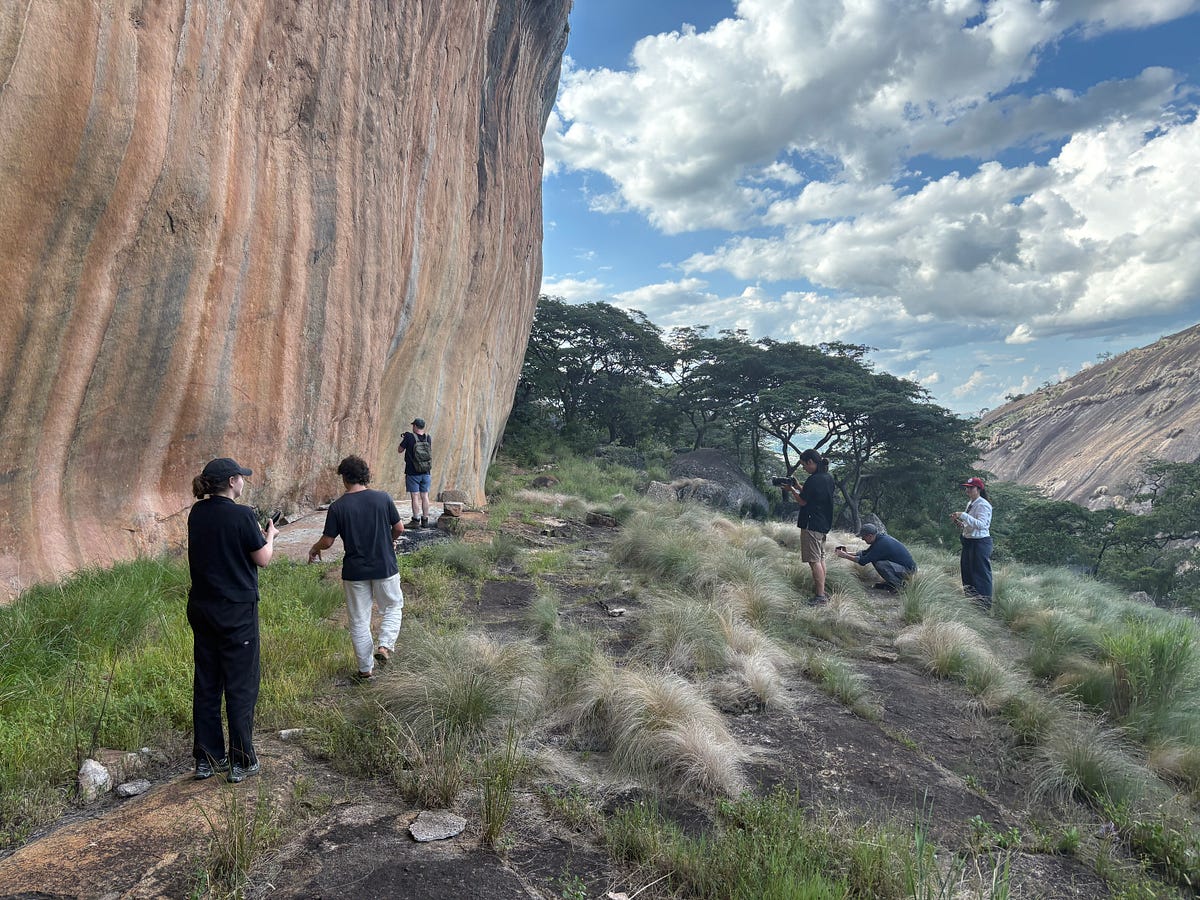
Notes from the Field #2.

On building a world that doesn’t make children stressed, anxious, and sad.
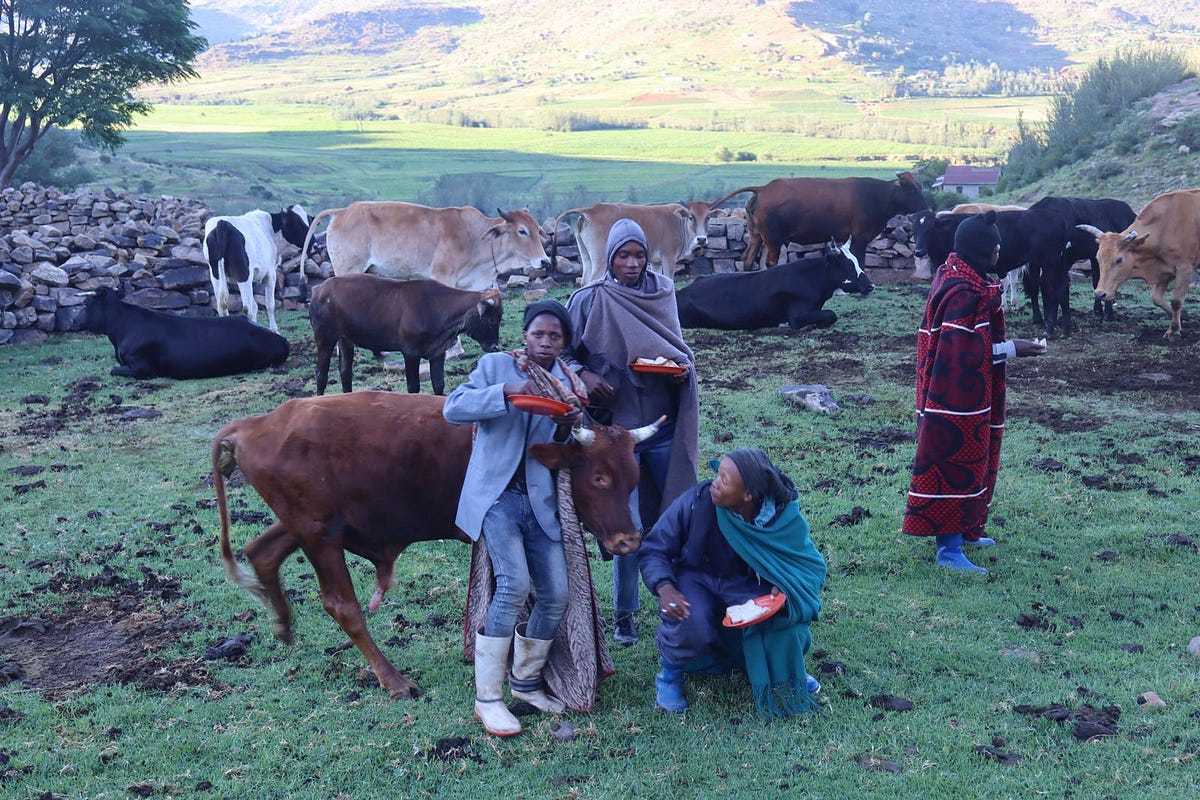
On AI, targeted advertising, and the subtle cruelty of paternalism.
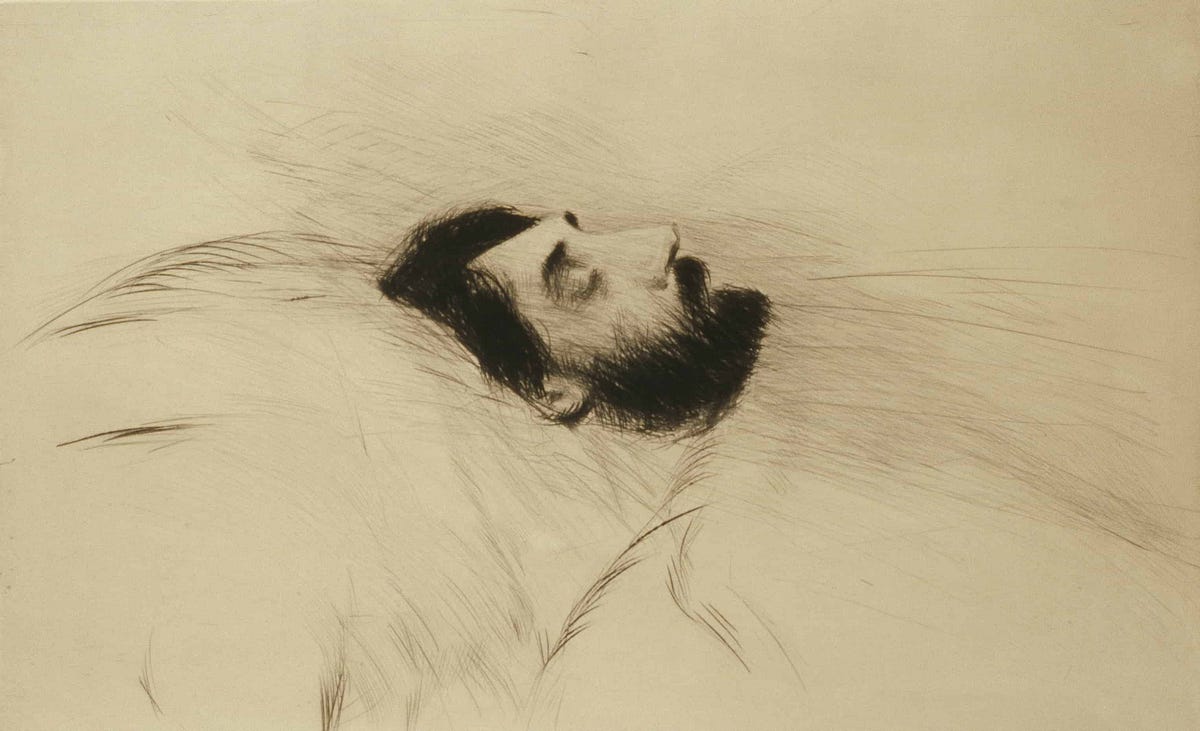
On intelligence, aesthetics, and building a life worth living.
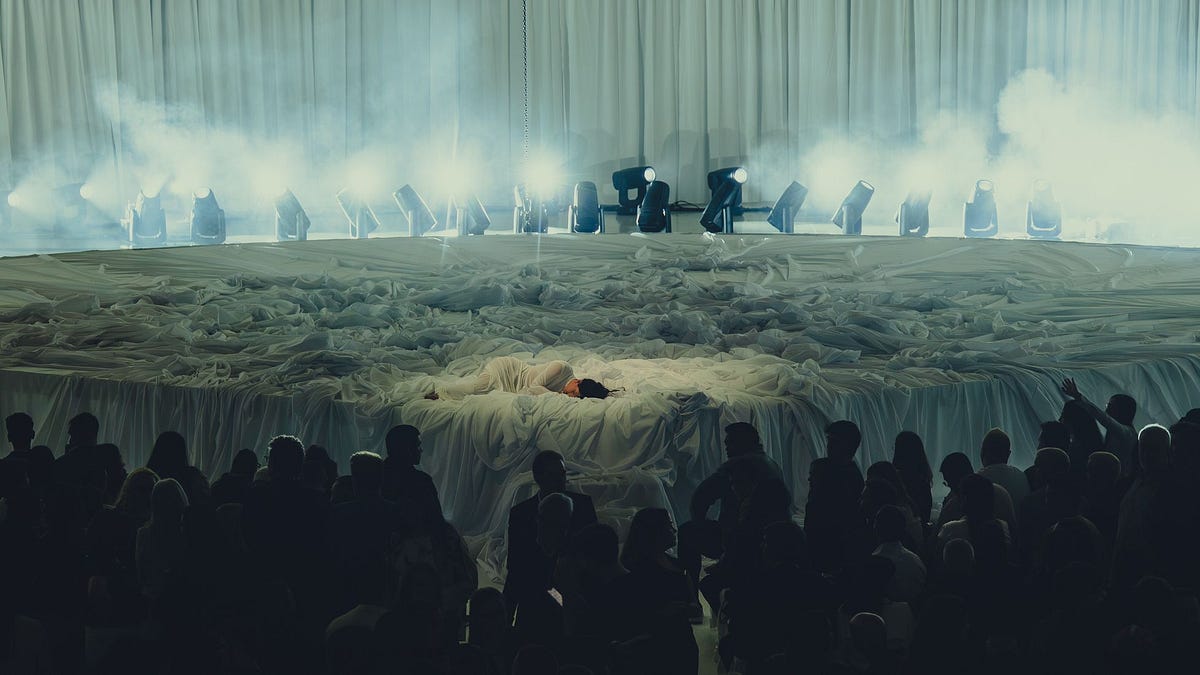
On Spotify, WEIRDness, and the endless search for ourselves.

On dancing our way to divinity.
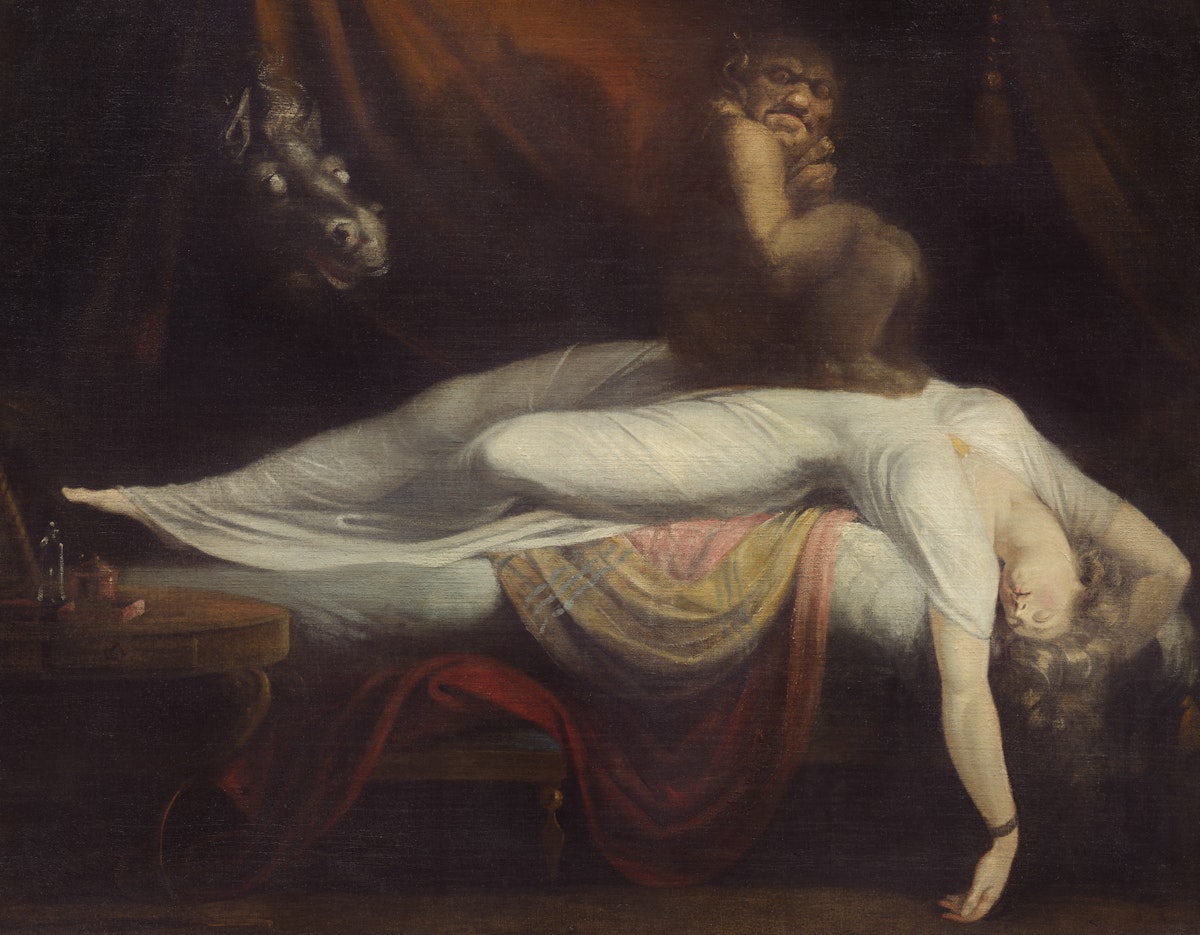
Extraordinary beliefs may be supported by an individual’s experience, rather than simply being impervious to evidence.
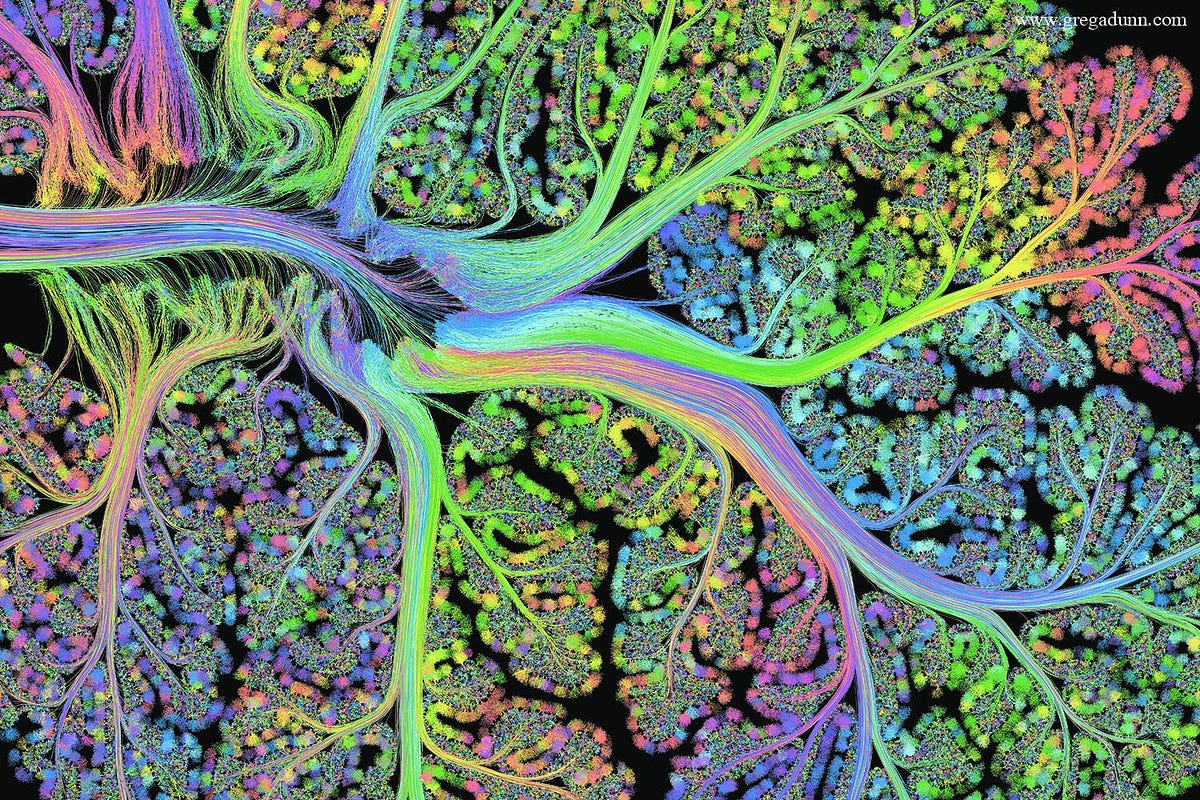
The Experience Machine.
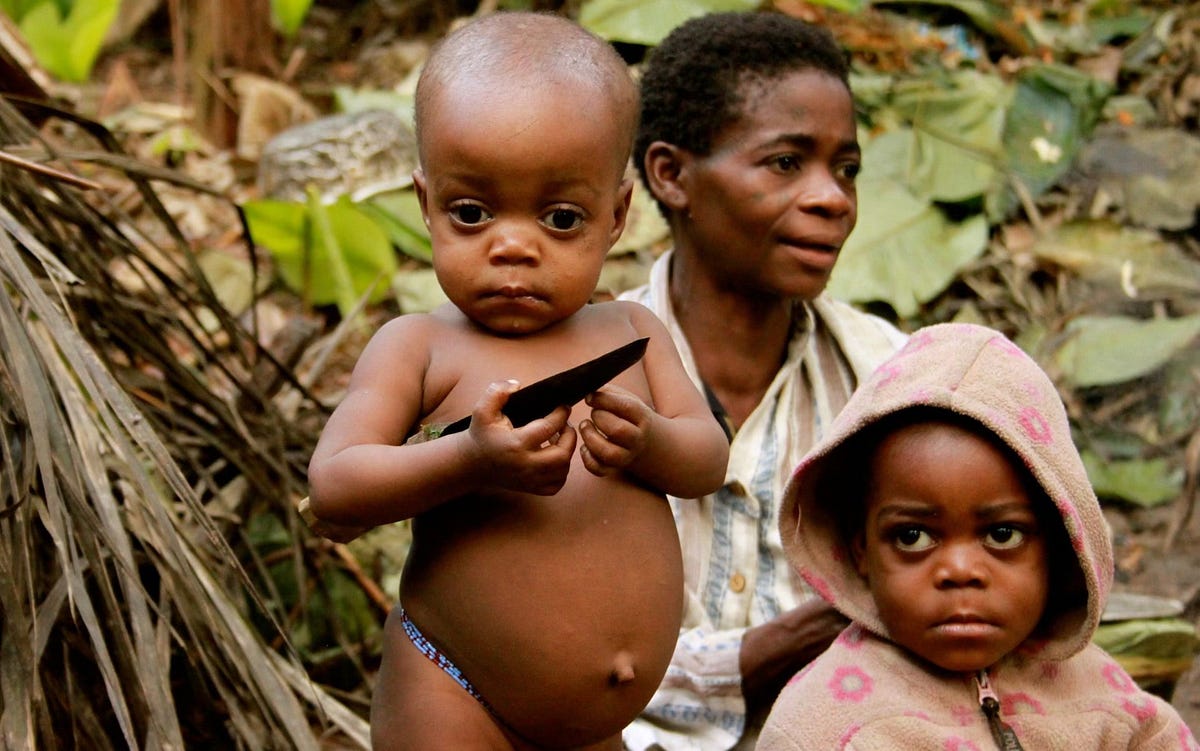
On the need for a world without us.
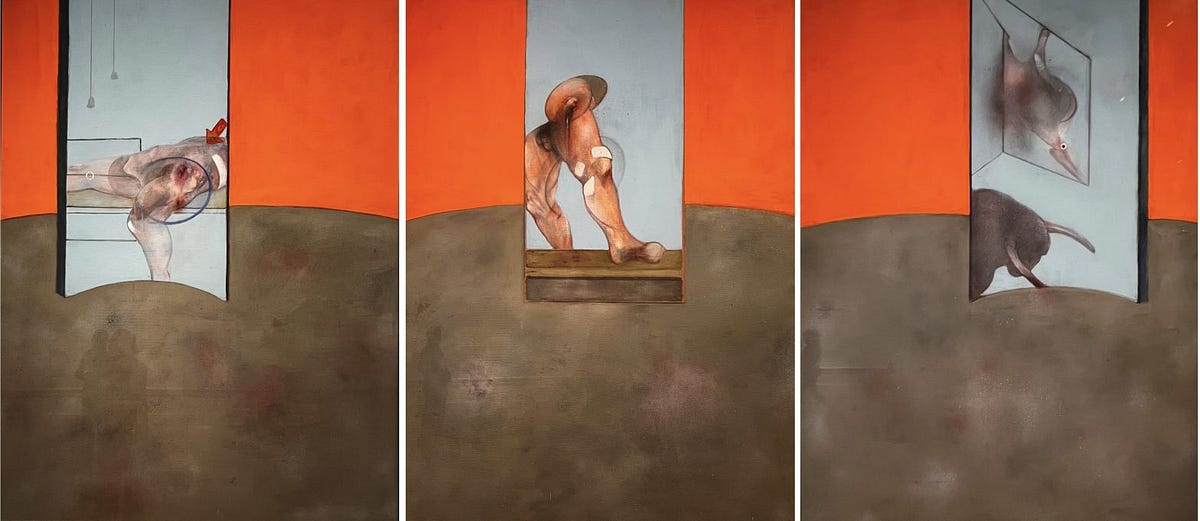
On factory farming, the Holocaust, and hypocrisy.
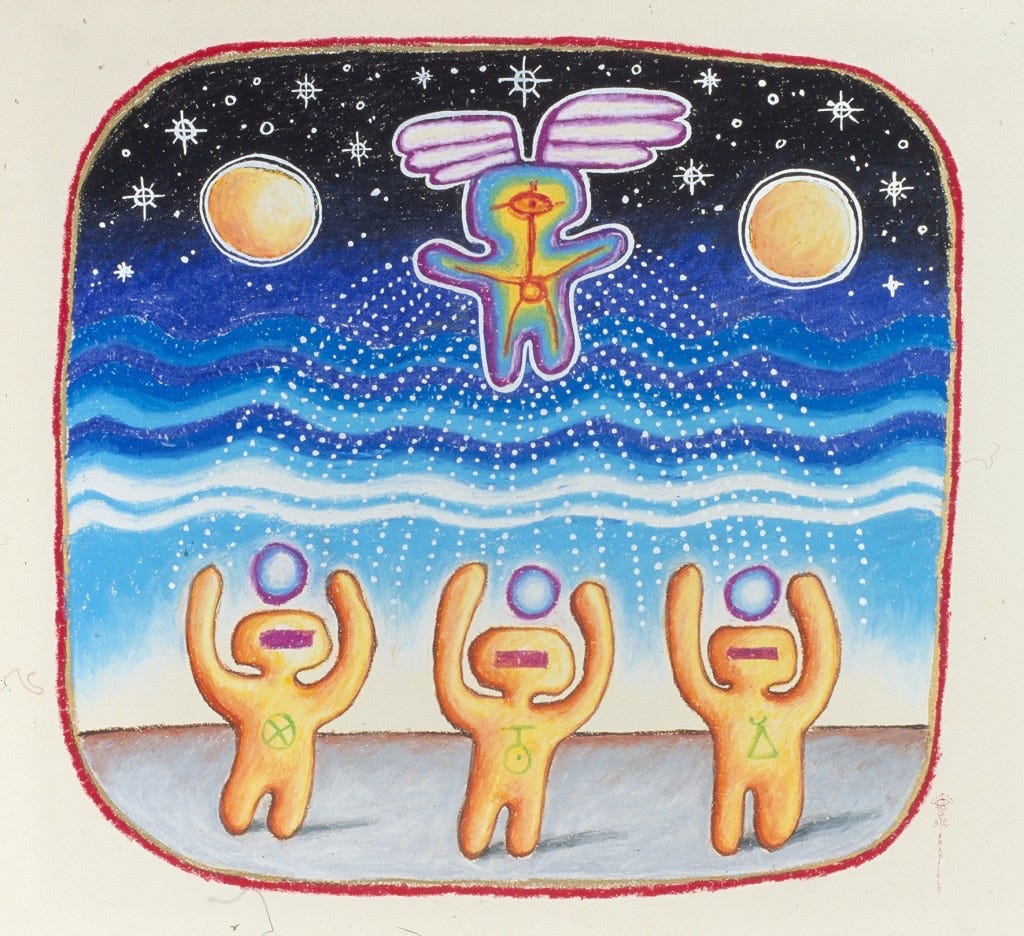
Or: Do Atheists Dream of Conscious Trees?

On the nature of “PhD-level intelligence.”
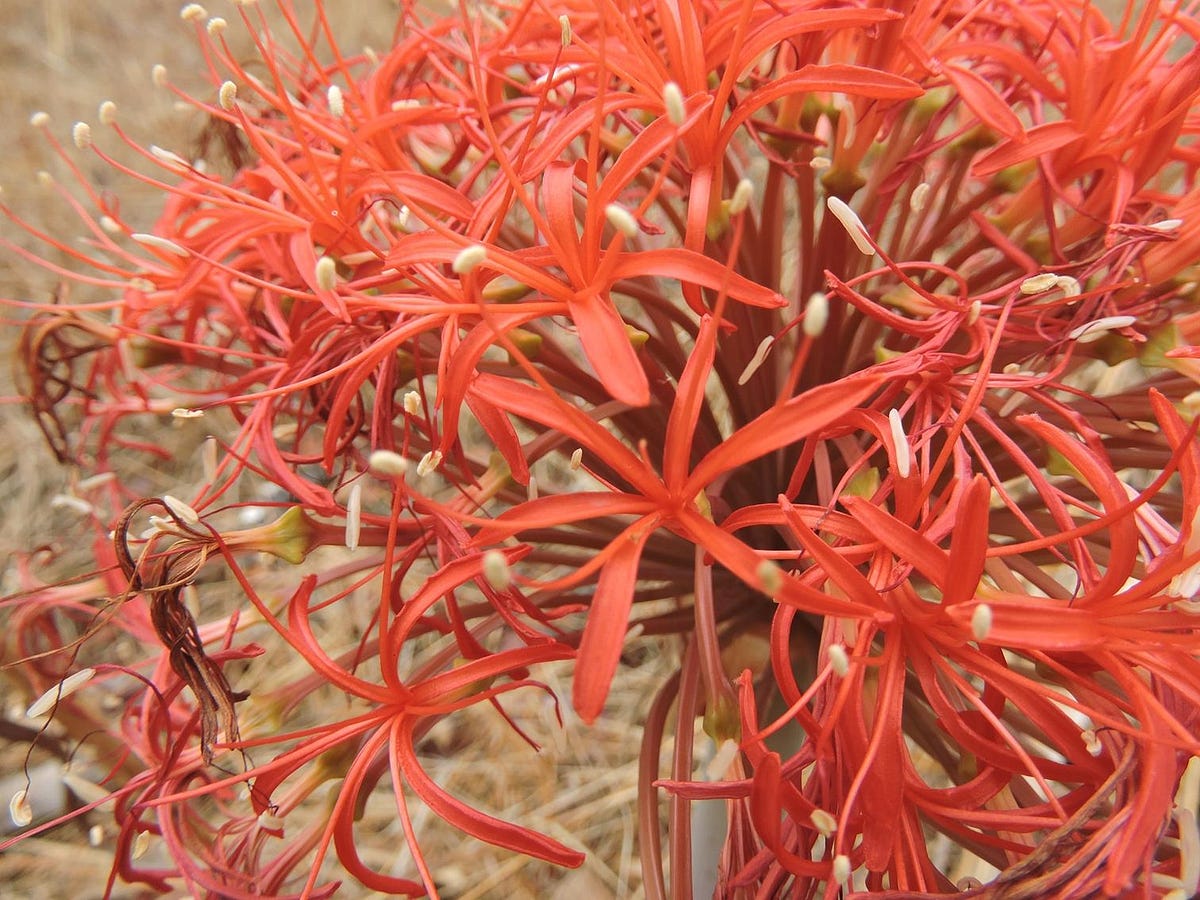
Notes from the Field #1.

On the musical stylings of Jesse Welles.
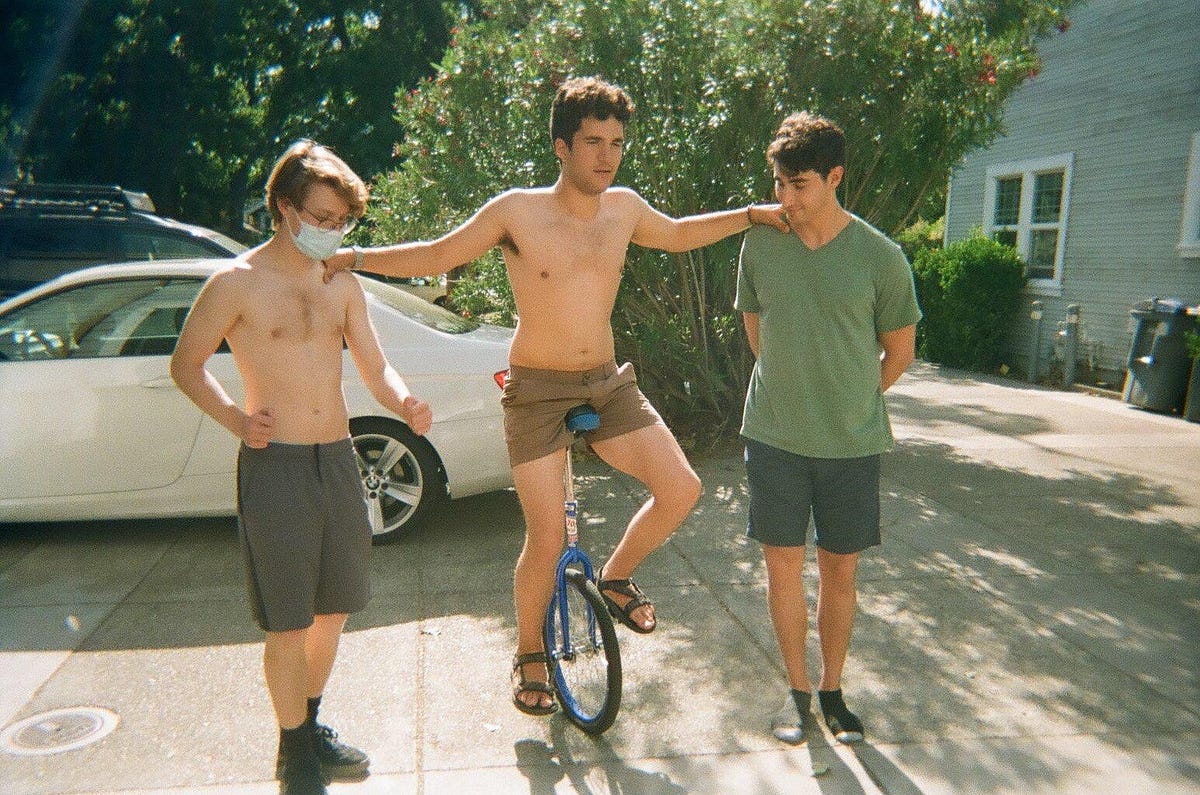
Liberal culture needs a positive, concrete model of masculinity capable of competing with reactionary influencers.
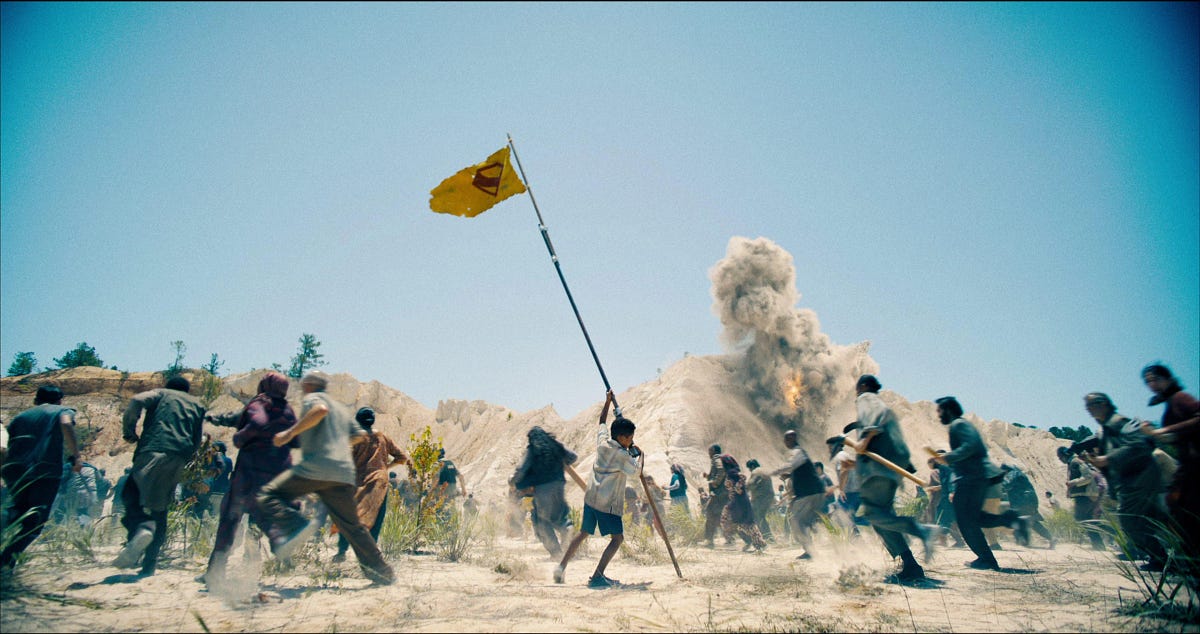
Superman becomes a way to articulate a diasporic Jewish ethic centered on protecting life and opposing the destruction of Gaza.
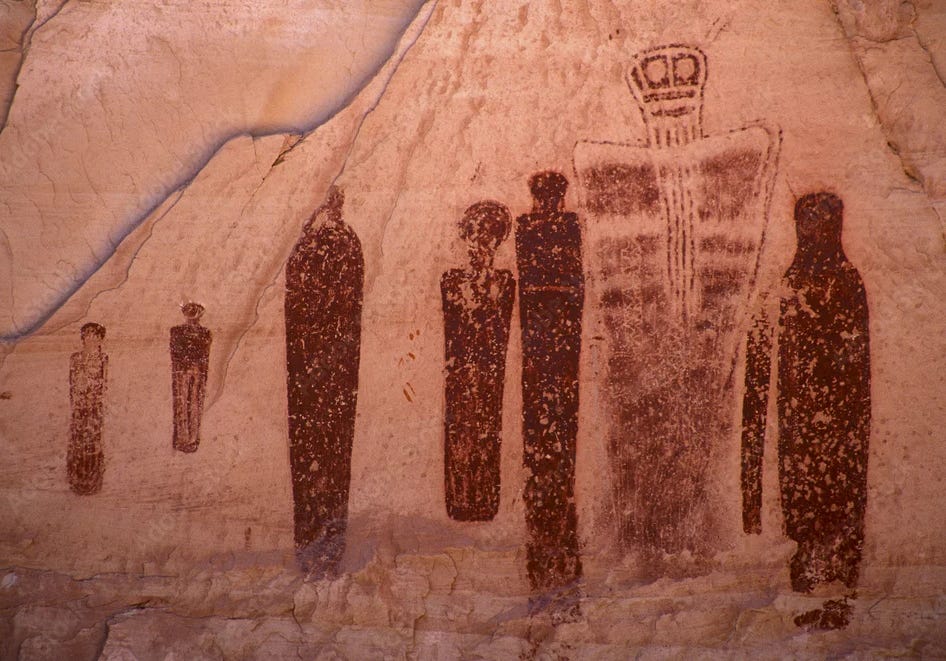
Which technologies, if any, should independently evolving advanced civilizations be expected to invent?
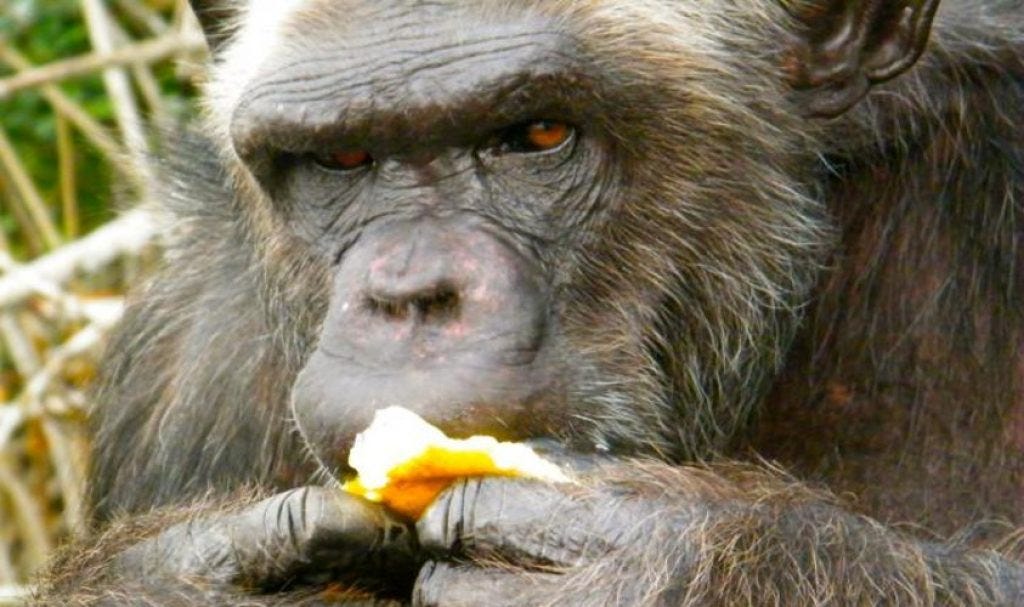
The attention paid to trans athletes reveals how disgust, social policing, and statistically minor issues become politically compelling.
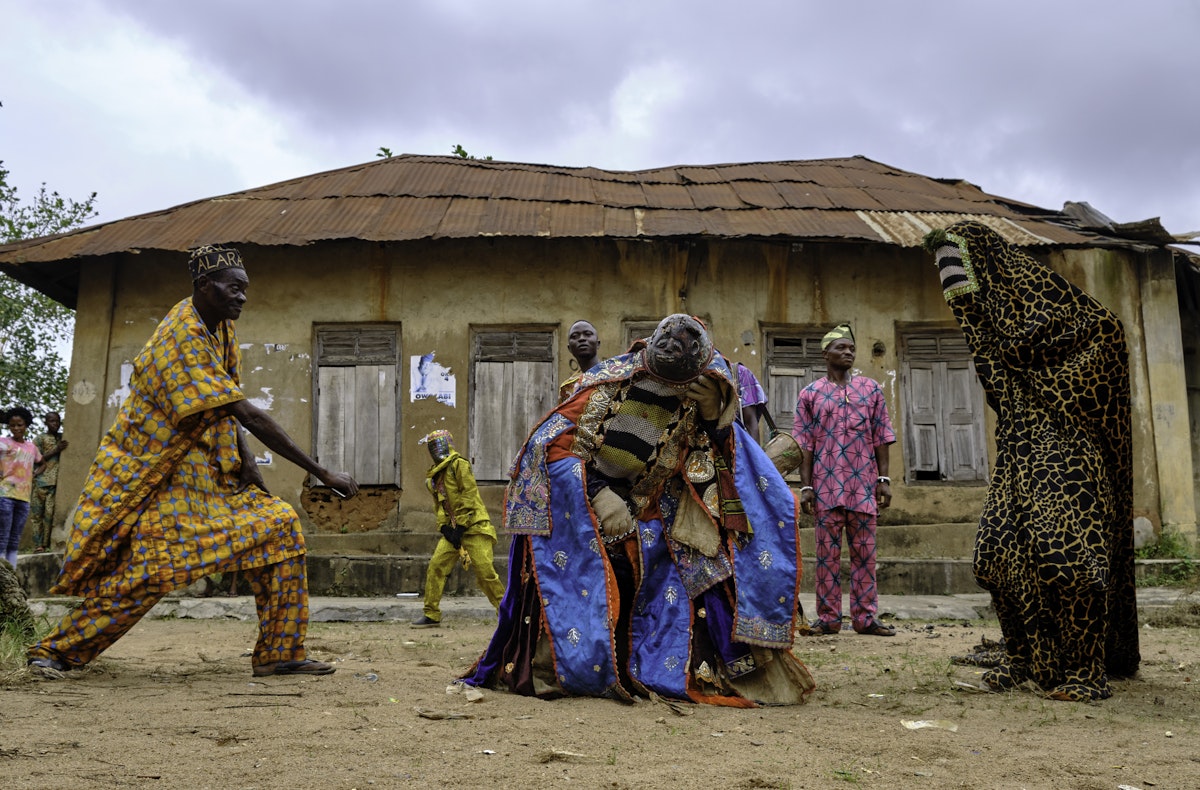
What sets human culture apart may be the uniquely open-ended ways we invent new ideas and share and build on them.
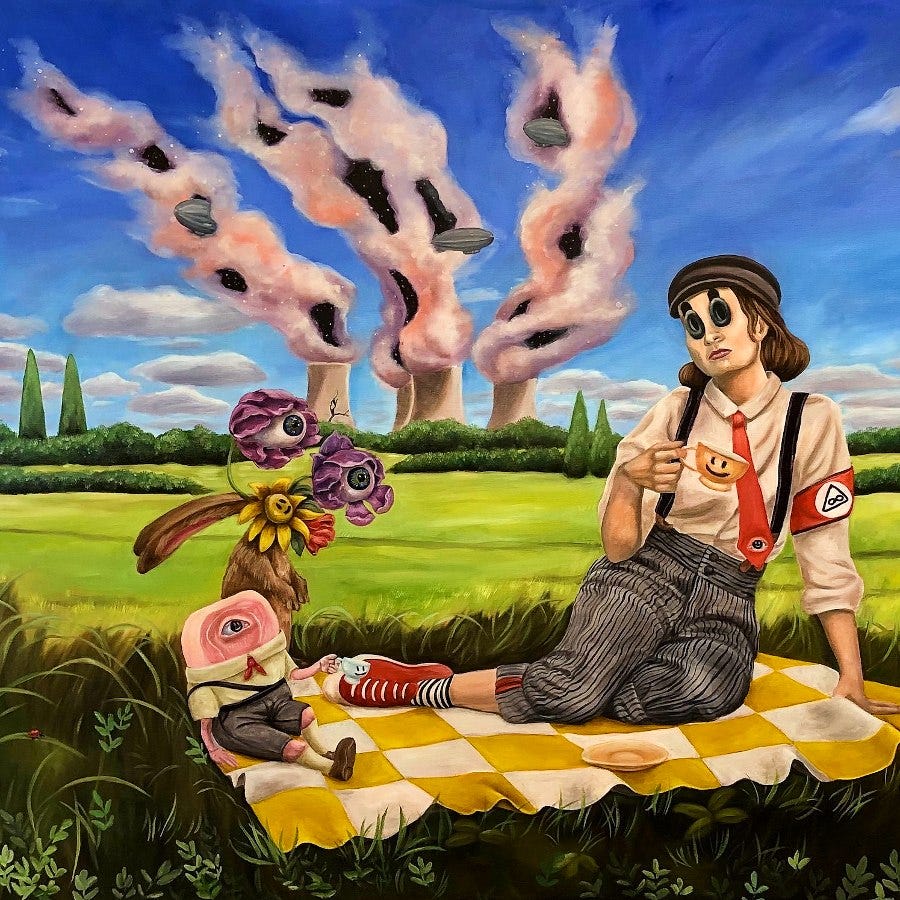
An exploration of dark humor, laughter’s tension-regulating functions, and the ethics of laughing at real suffering.